
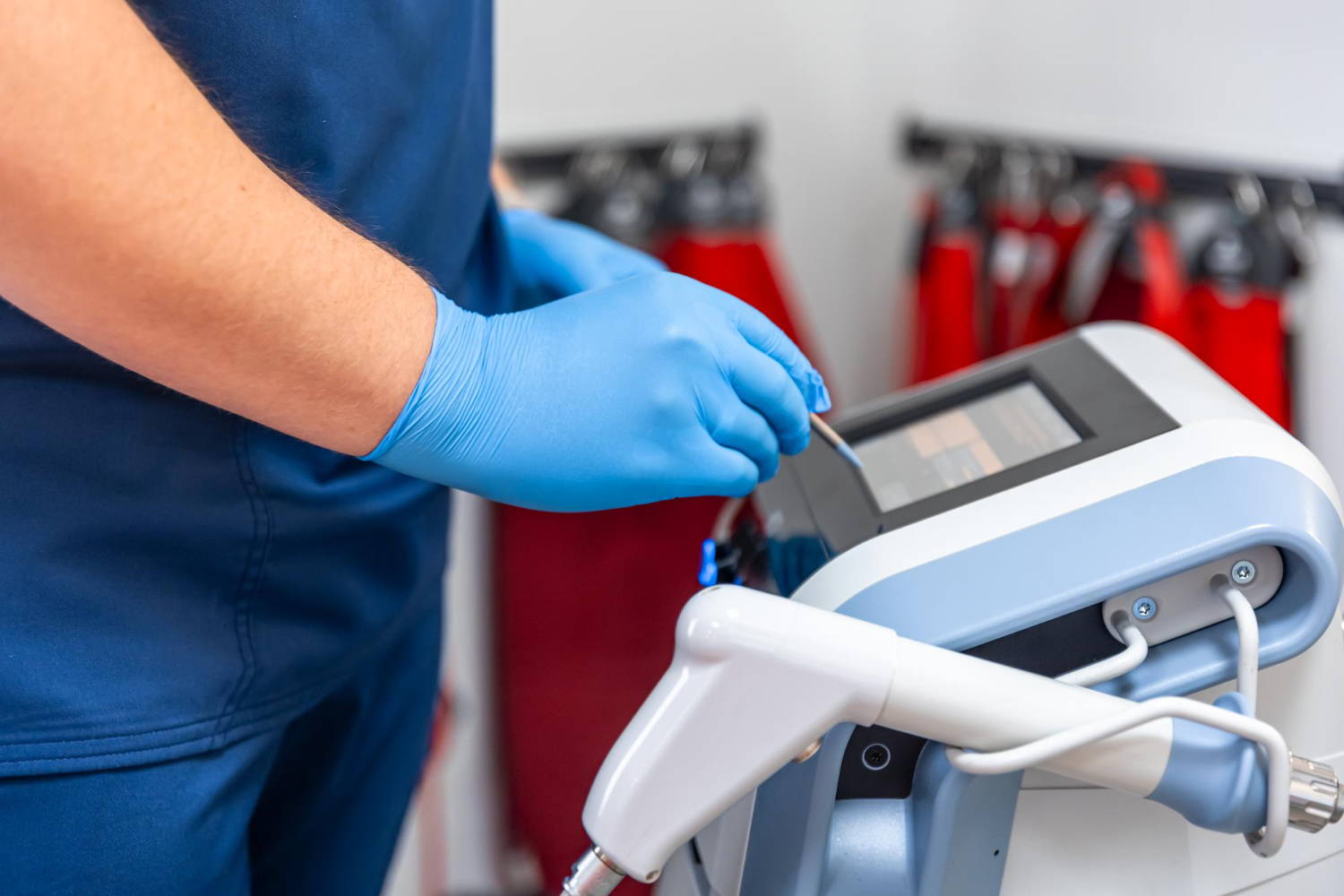
Rigid Ureteroscope: A Reliable Tool in Modern Urological Procedures
Advancements in medical technology have significantly improved the diagnosis and treatment of urinary tract conditions. One such advancement is the Rigid Ureteroscope, an essential instrument widely used by urologists for examining and treating disorders of the ureter and kidney. Known for its precision, durability, and clarity, this device plays a vital role in minimally invasive urological procedures.
Understanding the Rigid Ureteroscope
A rigid ureteroscope is a thin, straight, tube-like endoscopic instrument designed to access the ureter through the urinary tract. It is commonly used to visualize the ureter and renal pelvis, allowing surgeons to diagnose and manage conditions such as ureteral stones, strictures, and tumors. Unlike flexible alternatives, this instrument maintains a fixed shape, which provides better control and stability during procedures.
The device is typically made from high-quality stainless steel and optical-grade materials. It is equipped with a lens system and fiber-optic or rod-lens technology to deliver clear visualization. Due to its robust construction, it is highly durable and suitable for repeated sterilization and long-term clinical use.
Key Features and Design
One of the primary strengths of this instrument lies in its simple yet effective design. The straight configuration allows direct access to the lower and mid-ureter, making it especially useful in procedures where precise manipulation is required. The optical system provides high-resolution images, enabling surgeons to identify even small abnormalities with confidence.
Most models include working channels that allow the insertion of surgical tools such as graspers, baskets, or laser fibers. This multifunctional capability makes the rigid ureteroscope an all-in-one solution for both diagnosis and treatment. Additionally, its ergonomic handling ensures comfort and accuracy for the surgeon during lengthy procedures.
Common Medical Applications
The rigid ureteroscope is widely used in the management of urinary stone disease. It allows direct visualization and removal or fragmentation of stones lodged in the ureter. This approach minimizes the need for open surgery, resulting in reduced patient discomfort and faster recovery times.
Beyond stone management, it is also used to diagnose ureteral strictures, congenital abnormalities, and tumors. Biopsy samples can be collected through the instrument, enabling early detection of serious conditions. In many cases, therapeutic interventions can be performed during the same procedure, improving efficiency and patient outcomes.
Advantages Over Traditional Methods
Compared to conventional open surgical techniques, endoscopic procedures using this device are minimally invasive. Patients typically experience less pain, minimal blood loss, and shorter hospital stays. The rigid structure offers superior torque control, which is particularly beneficial when navigating narrow or obstructed ureters.
Another advantage is cost-effectiveness. Since the instrument is durable and reusable, it is a practical choice for hospitals and surgical centers. Maintenance is relatively simple, and its long lifespan ensures consistent performance over time.
Comparison with Flexible Alternatives
While flexible instruments offer greater reach into the upper urinary tract, the rigid ureteroscope remains a preferred choice for many urologists, especially for lower ureteral procedures. The rigid design provides enhanced stability and sharper image quality, which can be critical in delicate interventions.
In addition, the learning curve for rigid instruments is often shorter, making them suitable for training and routine clinical use. Their reliability and precision continue to make them indispensable despite the availability of newer technologies.
Safety and Sterilization
Patient safety is a top priority in urological procedures. This instrument is designed to withstand standard sterilization methods such as autoclaving and chemical disinfection. Proper cleaning and handling protocols ensure that the rigid ureteroscope remains safe and infection-free for repeated use.
Manufacturers adhere to strict medical device regulations and quality standards, ensuring compliance with international healthcare guidelines. This commitment to safety and quality builds trust among medical professionals and healthcare institutions.
Role in Modern Urology
As minimally invasive techniques continue to dominate urological practice, the rigid ureteroscope maintains its relevance. Its effectiveness, ease of use, and proven clinical outcomes make it a cornerstone in endourology. Surgeons rely on it for routine procedures as well as complex cases requiring precision and control.
The instrument also supports advancements such as laser lithotripsy, enabling efficient stone fragmentation and removal. Its compatibility with modern surgical accessories further enhances its versatility in today’s operating rooms.
Choosing the Right Instrument
Selecting the appropriate model depends on factors such as procedure type, patient anatomy, and surgeon preference. Diameter, length, optical quality, and accessory compatibility are key considerations. Investing in a high-quality rigid ureteroscope ensures optimal performance, safety, and long-term value.
Healthcare providers should also consider manufacturer support, warranty, and regulatory approvals when making a purchase decision. Reliable suppliers offer certified devices that meet global medical standards.
Conclusion
The rigid ureteroscope remains an essential and trusted tool in urology. Its robust design, excellent visualization, and wide range of applications make it indispensable for diagnosing and treating ureteral conditions. Despite advancements in flexible technologies, this instrument continues to deliver unmatched precision and reliability. For healthcare professionals seeking effective minimally invasive solutions, the rigid ureteroscope stands as a proven and valuable choice in modern medical practice.