
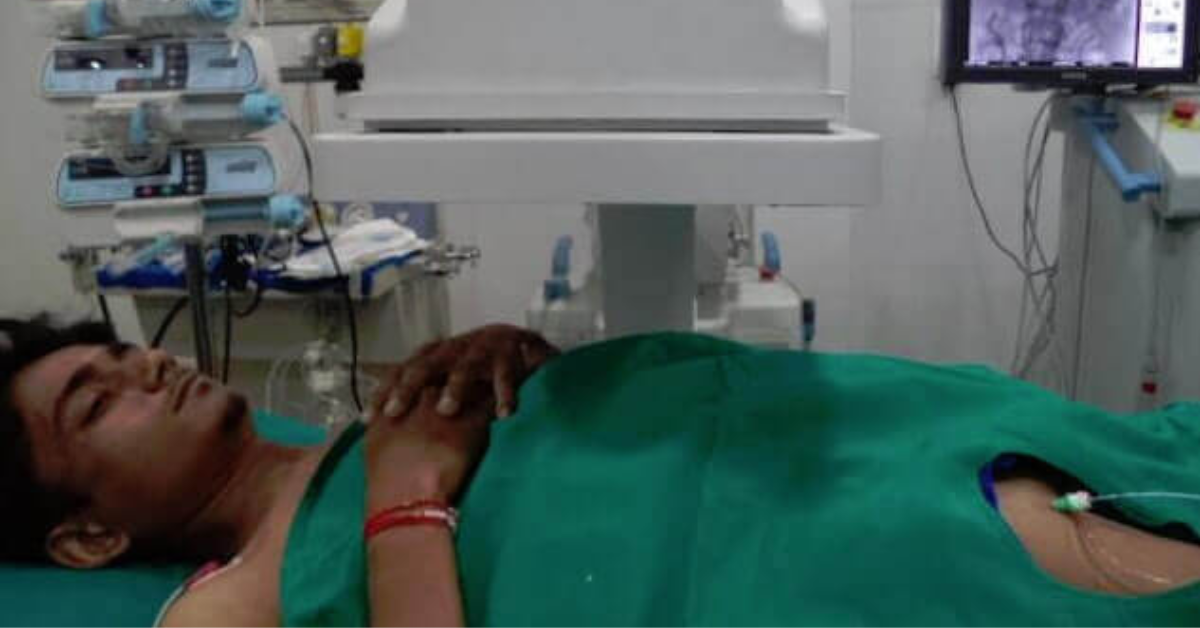
Stem Cell Treatment India: Advancing Regenerative Medicine for a Healthier Future
Stem Cell Treatment India is one of the most exciting innovations in modern medicine. It offers the potential to regenerate, repair, and replace damaged tissues in ways that conventional treatments cannot. Unlike traditional medications that often only manage symptoms, stem cell therapy targets the root causes of diseases by restoring healthy cells and tissues.
India is emerging as a global destination for advanced and cost-effective stem cell therapy. With its world-class hospitals, certified laboratories, and internationally trained medical professionals, India offers a combination of medical excellence and affordability that appeals to patients from across the world.
What Are Stem Cells?
Stem cells are undifferentiated cells capable of transforming into specialized cells such as muscle cells, nerve cells, or blood cells. They can divide and renew themselves over time, making them ideal for repairing damaged tissues or organs.
There are several types of stem cells used in medical treatments:
-
Embryonic Stem Cells (ESCs) – Derived from embryos and capable of forming any cell type.
-
Adult Stem Cells – Found in bone marrow, fat tissue, and other organs; used widely in therapy due to fewer ethical concerns.
-
Induced Pluripotent Stem Cells (iPSCs) – Adult cells genetically reprogrammed to an embryonic-like state.
-
Mesenchymal Stem Cells (MSCs) – Multipotent cells often used in regenerative medicine due to their immunomodulatory properties.
Why India Is a Preferred Destination for Stem Cell Treatment
India offers significant advantages for those seeking stem cell therapy:
1. Cutting-Edge Facilities
India has many accredited hospitals and clinics equipped with modern laboratories and cell-processing units. These facilities adhere to international safety protocols and are often certified by organizations such as ISO, NABL, and GMP.
2. Experienced Medical Professionals
Indian doctors and specialists in regenerative medicine are often trained in the US, UK, or Europe. They bring a deep understanding of global practices while offering personalized care to both domestic and international patients.
3. Affordable Treatment Options
The cost of stem cell therapy in India is significantly lower compared to countries like the USA or Germany. Despite the lower cost, the quality of treatment remains world-class.
4. Medical Tourism Support
India is a hub for medical tourism, with support services such as visa assistance, accommodation, translation, and post-treatment follow-up, making the patient experience seamless and convenient.
Conditions Treated with Stem Cell Therapy in India
Stem cell therapy is used to treat a wide range of conditions across different medical specialties. Below are some key areas where stem cell treatment has shown promising results:
Neurological Disorders
-
Parkinson’s Disease
-
Multiple Sclerosis
-
Spinal Cord Injury
-
Cerebral Palsy
-
Stroke Recovery
Stem cells help regenerate neurons and improve nerve function, offering hope for conditions that were once considered untreatable.
Orthopedic and Musculoskeletal Disorders
-
Osteoarthritis
-
Rheumatoid Arthritis
-
Avascular Necrosis
-
Sports Injuries
Mesenchymal stem cells are commonly used to reduce inflammation, repair cartilage, and promote bone healing.
Cardiovascular Conditions
-
Ischemic Heart Disease
-
Myocardial Infarction (Heart Attack)
-
Peripheral Artery Disease
Stem cell therapy helps regenerate heart tissue and improve blood circulation, enhancing heart function post-injury.
Liver and Kidney Diseases
-
Liver Cirrhosis
-
Chronic Kidney Disease
Stem cells aid in the regeneration of liver or kidney tissues, potentially delaying the need for dialysis or organ transplants.
Diabetes
Stem cell therapy aims to regenerate insulin-producing beta cells in the pancreas, thereby stabilizing blood sugar levels in Type 1 and Type 2 diabetes patients.
Eye Disorders
-
Retinitis Pigmentosa
-
Macular Degeneration
-
Optic Nerve Atrophy
Stem cells can potentially restore vision by regenerating damaged retinal or optic nerve cells.
Anti-Aging and Wellness
Some clinics also offer stem cell-based anti-aging therapies to improve skin texture, reduce wrinkles, and boost overall vitality.
How Stem Cell Treatment Works in India
Step 1: Initial Consultation and Diagnosis
The process begins with a detailed medical consultation. Doctors review the patient’s medical history, conduct diagnostic tests, and determine if the individual is a suitable candidate for stem cell therapy.
Step 2: Cell Source Identification
Stem cells may be harvested from:
-
Bone marrow
-
Adipose (fat) tissue
-
Umbilical cord (for allogeneic treatments)
Depending on the patient’s condition and treatment goals, doctors choose the most appropriate stem cell source.
Step 3: Stem Cell Processing
Once collected, the stem cells are isolated and purified in state-of-the-art laboratories. This ensures a high concentration of viable and effective cells for therapy.
Step 4: Administration of Stem Cells
The processed cells are introduced into the patient’s body via:
-
Intravenous infusion
-
Intrathecal injection (into the spinal canal)
-
Local injection at the affected site
The mode of delivery is selected based on the disease being treated.
Step 5: Follow-Up and Monitoring
Post-treatment, patients undergo regular follow-up visits. Doctors monitor the progress and may suggest lifestyle changes or supportive therapies to maximize the benefits of the treatment.
Safety and Regulatory Standards
India follows strict regulatory standards for stem cell treatments. The Indian Council of Medical Research (ICMR) and the Central Drugs Standard Control Organization (CDSCO) have issued guidelines to ensure ethical practices, patient safety, and clinical efficacy.
Only certified clinics and hospitals are allowed to perform stem cell procedures, and they must maintain transparency with patients about potential outcomes and limitations.
Success Rates and Patient Testimonials
While success rates vary depending on the condition, stage of disease, and patient response, many individuals have reported significant improvements post-treatment. Patients commonly note:
-
Reduced pain and inflammation
-
Improved mobility and energy levels
-
Better organ function
-
Delay in disease progression
-
Enhanced quality of life
Patient testimonials often highlight the compassionate care and affordability they received in India, making their health journey more hopeful.
Cost of Stem Cell Therapy in India
The cost of stem cell therapy in India varies depending on:
-
The type of disease
-
Number of stem cell infusions required
-
Type of stem cells used (autologous or donor-derived)
-
Hospital/clinic location and reputation
Estimated cost range: ₹2,00,000 to ₹10,00,000 (USD $2,500 to $12,000)
Despite the cost difference, India maintains high standards of care, making it a preferred option for patients worldwide.
Future of Stem Cell Therapy in India
India is investing heavily in regenerative medicine, with government and private institutions conducting advanced research and clinical trials. Areas such as gene therapy, 3D bioprinting, and stem cell banking are evolving rapidly.
In the future, stem cell therapy in India is expected to become even more precise, targeted, and integrated into mainstream medicine. With continued innovation, the scope for treating chronic and degenerative diseases will expand significantly.
Final Thoughts
Stem cell therapy is revolutionizing the way we approach complex medical conditions. For patients seeking effective, affordable, and safe regenerative treatments, India offers a compelling destination.